Altro Health Raised $7M to Build the Clinical Infrastructure Wellness Businesses Need
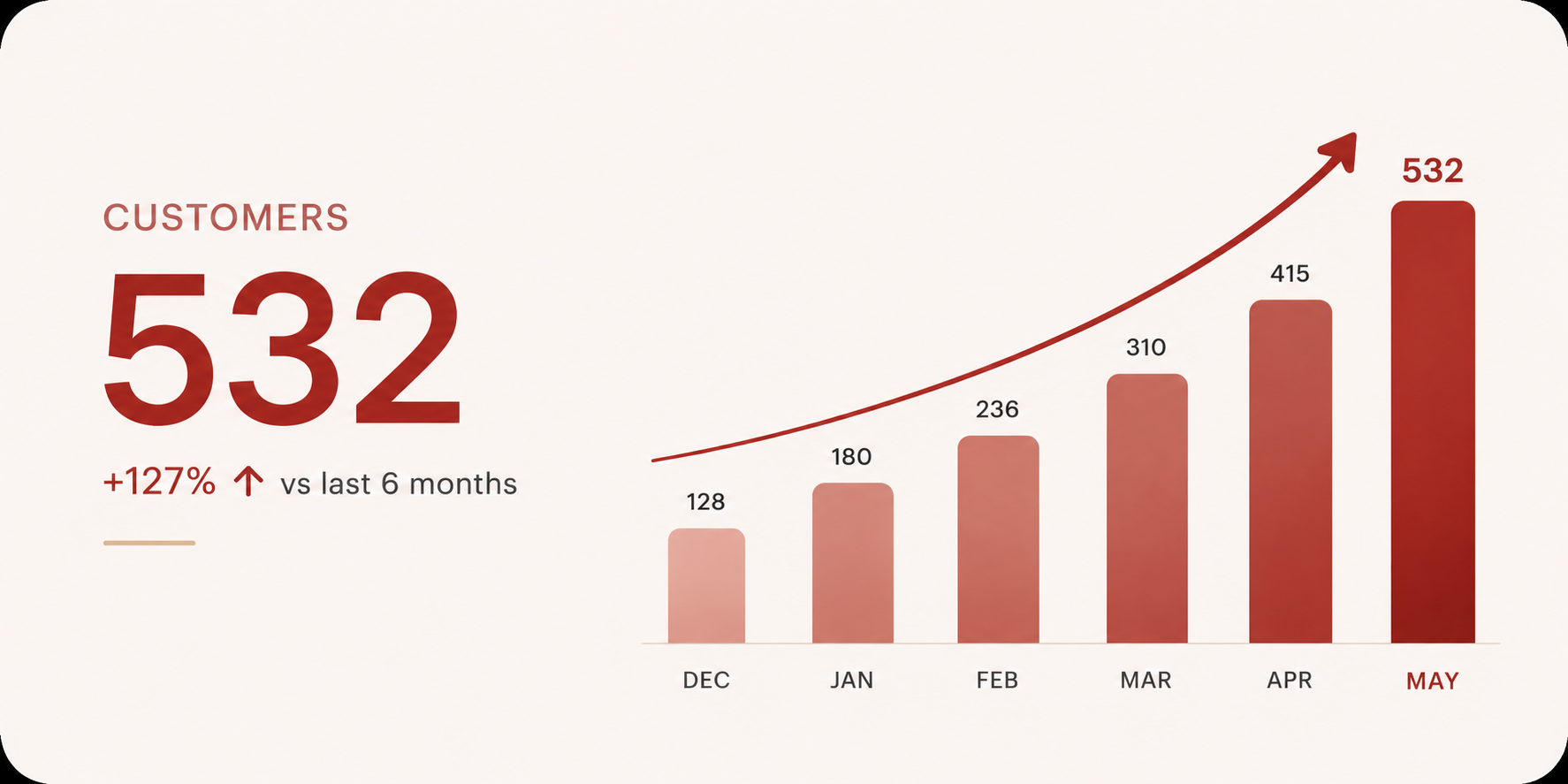
With $7 million in funding, Altro Health is building infrastructure for wellness businesses ready to offer more under their own brands.
Tired since the days got shorter? Learn what causes seasonal fatigue, when it needs a medical check, and which blood tests a clinician may consider for it.

It’s early November, and the clocks have just fallen back one hour. That means it gets dark by or before 5:00 P.M. for many of us, and you might be noticing that you’re running on empty by mid-afternoon. Your sleep schedule and diet haven't changed, so you’re left wondering: “Why do I feel tired when the clocks go back?”
Fewer sunlight hours and the clock change are common causes of seasonal fatigue. But medical conditions like vitamin D deficiency, iron deficiency, and hypothyroidism might also cause tiredness that looks a lot like the seasonal energy dip.
That’s why it’s important to understand the science behind why your energy drops as the days get shorter and to learn when your symptoms might be due to an underlying condition. This guide breaks everything down.
If you're a wellness provider whose clients are struggling to stay on track this time of year, we'll also cover key blood tests to discuss with them so they can get better answers from a clinician and keep making progress with your programs.
First, let’s separate the clock change from shorter days.
The clock change is a sudden, human-made shift that gives us 25 hours in a day by manually turning the time back an hour. Shorter days, on the other hand, come from a gradual, natural change: daylight shrinks a little each day from late June until the winter solstice in December.
Both changes happen in November, which is why this month can feel so incredibly draining for our energy and mood.
When the U.S. clocks went back one hour on November 1, 2026, the extra hour meant you got more zzzs at night, but the sudden change might have disrupted your sleep schedule and may still be affecting how rested you feel during the day.
The American Academy of Sleep Medicine supports permanent standard time because it better aligns with our “human circadian biology,” our internal clock that controls our sleep-wake cycle and other key functions like hormone production.
A few factors explain this energy dip:
These factors can show up in people differently. And sometimes, the symptoms might be more than occasional tiredness in some people. Seasonal affective disorder (SAD) is a type of depression that typically begins in late fall or early winter. The National Institute of Mental Health notes that its exact cause remains unclear, although reduced sunlight may affect brain chemicals involved in mood and sleep.
But not all fatigue during the colder months is related to seasonal changes. According to the American Academy of Family Physicians, fatigue is among the top 10 reasons adults visit a primary care clinician, and there are quite a few causes, including sleep disorders, depression, anemia, thyroid disease, and diabetes.
Here are signs that tiredness might be more than seasonal:
These are all worth chatting about with a healthcare provider, especially if they are accompanied by a change in appetite, lack of interest in activities that you used to enjoy, weight loss without trying, severe changes in sleep, or mood swings.
If you're also experiencing persistent low mood or hopelessness, talk with a professional. If you have thoughts of self-harm, seek immediate support. In the U.S., you can call or text 988 for crisis support, or call 911 in an immediate emergency.
Clinicians can use certain blood tests to look for conditions that mimic a seasonal slump or exacerbate symptoms, since no blood test can diagnose seasonal fatigue itself.
For example, low nutrient levels such as iron, B12, and vitamin D can leave someone feeling worn down on top of whatever the shorter days are already doing.
When you see a clinician for unexplained fatigue, they’ll first review your symptoms and health history, then order tests to check for common, treatable conditions like vitamin deficiencies, anemia, thyroid issues, and diabetes.
A complete blood count (CBC) measures the cells in your blood, including the red blood cells that carry oxygen and the white cells that fight infection. It also measures hemoglobin, the protein that delivers oxygen to your cells.
Having a low red blood cell count or low hemoglobin can be a sign of anemia, which is a common cause of tiredness. There are many reasons to have low hemoglobin, but a common one for women is iron.
Ferritin is a blood protein that stores iron and releases it whenever it is needed for important functions in the body. So a ferritin test checks your total iron reserves.
Low ferritin can point to iron deficiency even when a hemoglobin and iron levels are normal.
Research has looked at what happens when women with unexplained fatigue take iron. In a 2003 trial, 144 women (non-anemic) were given either 80 mg of iron daily or an inactive treatment (placebo) for four weeks. Self-reported fatigue dropped 29% in the iron group and 13% with the placebo.
For years, ‘normal’ ferritin was hiding a lot of exhausted women. The new ASH guidelines finally move the line. By doubling the ferritin cutoff from 15 to 30 ng/mL, ASH’s new guidelines could reclassify millions of women whose ‘normal’ labs were masking iron deficiency.
The benefit appeared only in women with a ferritin of 50µg/L or lower.
Thyroid Stimulating Hormone (TSH) is the signal that your brain sends to tell the thyroid how much hormone to make and is released in response to circulating Free T3 and T4 hormones, so a TSH test shows how hard your brain is working to manage health thyroid hormone levels. A Free T4 test measures how much thyroid hormone is available in the blood.
Both tests are used to check for:
Fatigue and low tolerance for cold are common symptoms of an underactive thyroid. Hyperthyroidism can also cause exhaustion, but it often shows up with other symptoms like:
B12 helps your body make red blood cells and keeps your nerves working.
A clinician might order a vitamin B12 blood test when a patient is experiencing fatigue alongside other neurological symptoms like numbness, weakness, loss of balance, and tingling in the hands and feet.
A hemoglobin A1C (HbA1c) test shows your average blood sugar over the past two or three months.
It’s a common screen for prediabetes and diabetes, and both can lead to fatigue, extra thirst, and frequent trips to the bathroom.
Vitamin D production naturally drops during shorter days because of reduced sun exposure.
This vitamin regulates multiple systems in your body - it is critical for bone health, sex hormone production, blood sugar balance, immune system function, and even brain health.
Not only does Vitamin D cause persistent tiredness and lack of energy, you might also notice:
Researchers have also tested whether connecting low vitamin D helps with energy.
In a 2016 trial, 120 adults with fatigue and low vitamin D (below 20 µg/L) received either one large dose of vitamin D3 or a placebo. After four weeks, 72% of the vitamin D group reported less fatigue, compared with 50% on placebo.
Low energy is one of the first things clients mention to their wellness provider, and it tends to affect how consistently they show up for their program. As a coach, supporting a client through an energy slump usually looks like this:
When the clocks go back, the sudden change can temporarily disrupt your sleep schedule and affect how awake you feel during the day.
Shorter daylight hours can also influence melatonin production and serotonin activity, which help regulate sleep and mood.
Most people adjust to the time change within a few days, but if your tiredness lasts for weeks, other factors, such as iron deficiency or thyroid problems, might be contributing.
No. Seasonal affective disorder (SAD) is diagnosed by assessing your symptoms and how your mood changes across seasons over time. A blood test can't confirm SAD, but your clinician might recommend tests to check for conditions like anemia, vitamin D deficiency, or thyroid disease, which can cause similar symptoms or contribute to your fatigue.
When a client comes to you with persistent fatigue, recommending a medical check is an important first step. But what if you could also give them access to lab testing through your wellness business, without hiring medical staff or taking on clinical responsibilities?
Altro Health makes this possible. We connect your business with the technology, a branded client portal, independent licensed clinicians, and lab testing services that you need to offer medically supervised care, all under your brand.
Through Altro, you can offer your clients comprehensive lab panels covering 70+ biomarkers across hormonal health, cardiovascular health, inflammation, metabolism, and nutrients.
Independent licensed clinicians in Altro’s network handle the medical evaluation, determine which tests are appropriate, and interpret the results. You can then use their recommendations to support your client's lifestyle goals within your scope of practice.
This gives your clients access to clinical services through a business they already trust, while allowing you to expand your offerings and maintain your client relationships.
When Do the Clocks Go Back in 2026? | Time Out, 2026
Seasonal Affective Disorder | National Institute of Mental Health
Fatigue in Adults: Evaluation and Management | American Family Physician, 2023